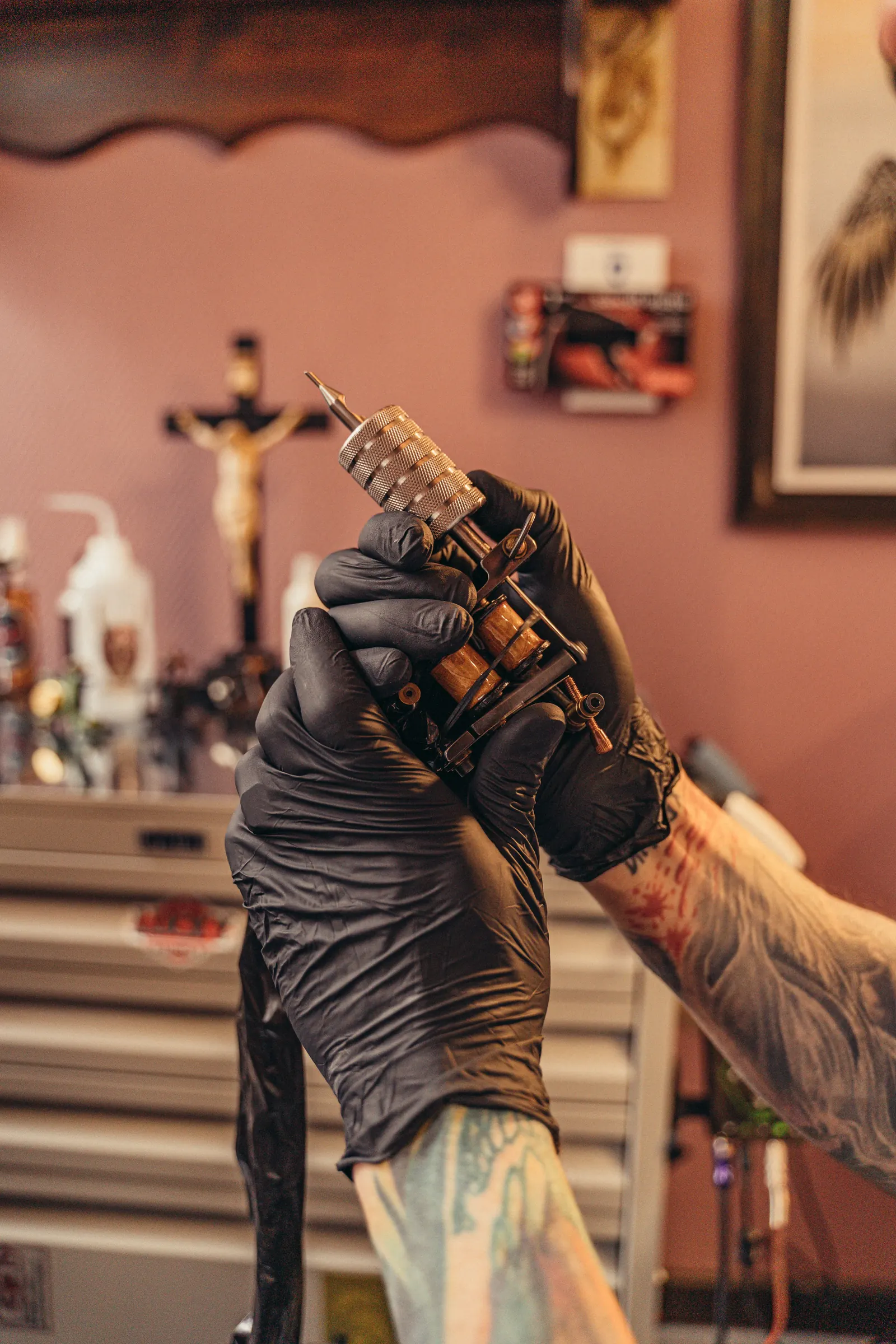
Tattoo walk-ins: how to run walk-in days that work
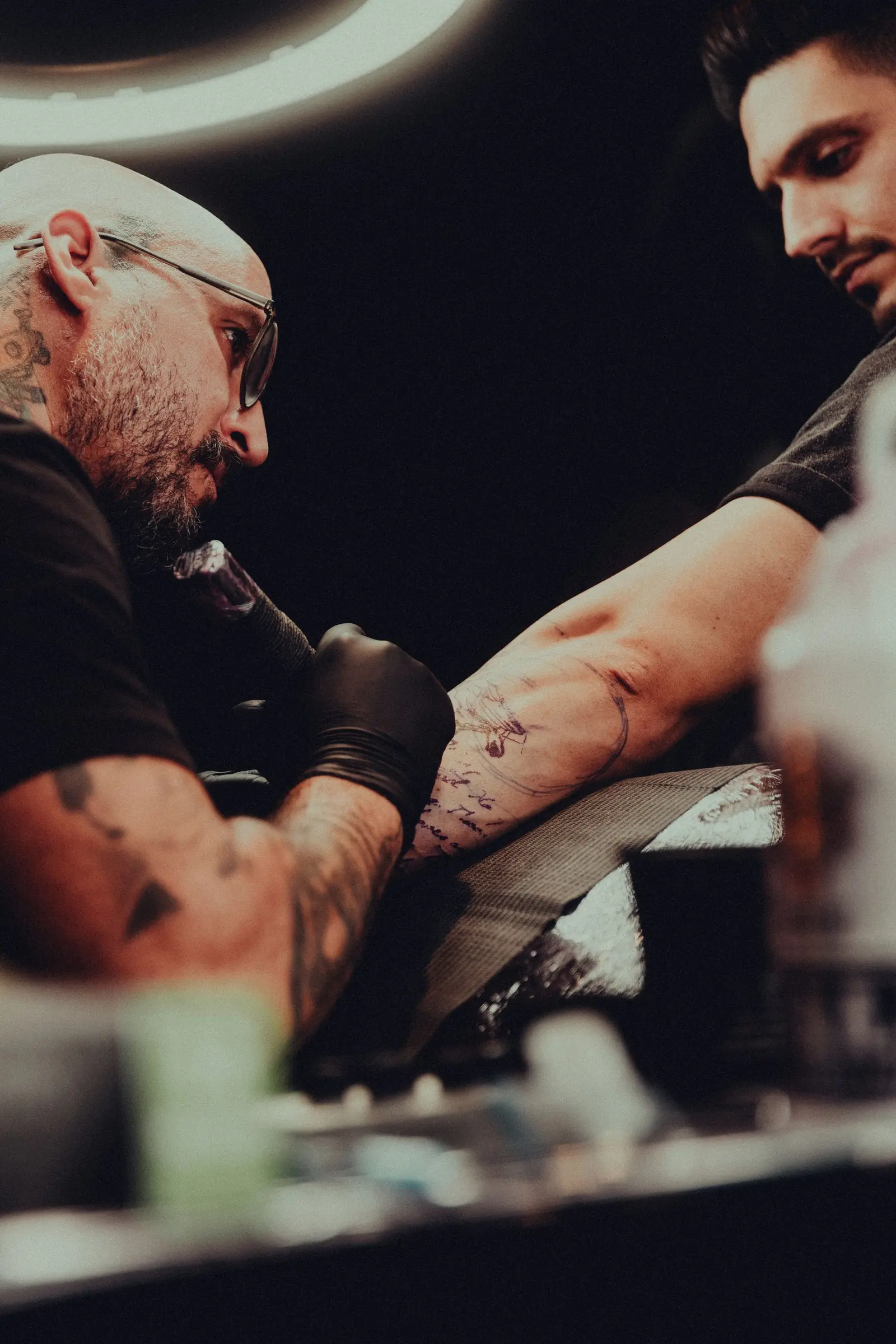
Walk-ins are part of tattoo culture: someone comes in, picks a design and leaves with a tattoo the same day. For a shop, walk-ins can fill quiet hours, bring in new clients and keep flash moving. But without a plan they can also mean long queues, unhappy clients and artists who never get a break. This guide explains how to run walk-ins and walk-in days in a way that works for your clients and your team.
Walk-ins versus walk-in days
There are two common approaches:
- Ongoing walk-ins: the shop takes walk-ins whenever an artist has a gap, for example on certain weekdays or in the afternoons
- Walk-in days or flash days: a planned event where artists tattoo pre-drawn designs first come, first served, often for a fixed price per design
Many shops do both: regular walk-in hours for small pieces, and a few larger flash days a year, for example around Friday the 13th, a shop anniversary or a holiday weekend.
Decide what you offer
The most important rule for walk-ins is to keep the menu limited. Walk-ins work best with:
- Pre-drawn flash, so there is no design time
- Small to medium sizes that fit in a short session
- Placements that are quick to prepare, such as forearm, upper arm and calf
- Simple custom text or small symbols, if your artists are comfortable with that
Big custom pieces, cover-ups and detailed realism don't belong in a walk-in queue. Make that clear on your website, at the door and in your posts, so nobody waits for hours to hear it isn't possible.
Flash sheets and pricing
Flash is the engine of a good walk-in day. Prepare sheets in advance, with clear sizes and fixed prices per design or per size. That makes choosing fast and avoids negotiation at the counter. Some shops mark designs as one-off, meaning each design is tattooed only once, which makes the day feel special and rewards clients who come early.
If you already sell flash online, walk-in days are a natural extension. Our guide to flash drops explains how artists plan releases, and the same designs can be offered on the day. A flash page on your website lets clients see what's available before they come.
Managing the queue
Queues are the biggest source of frustration. A few systems that help:
- A numbered ticket or list at the door, with an estimated time per number
- A digital waiting list, so clients can leave and come back
- A cut-off time after which you stop taking new names
- Separate queues per artist, if artists draw different styles
- Clear updates on your social media during the day, such as "list full for today"
Be honest about waiting times. People accept a two-hour wait when they know about it; they get annoyed when an hour turns into four without explanation.
Consent, ID and hygiene
Walk-in or not, the usual rules apply. Check ID and age according to local law, take the same consent and health information as for any appointment, and keep hygiene standards exactly the same, even on a busy day. Build enough time between clients to clean and set up properly. A rushed station is a risk, not a saving.
Deposits and no-shows
Pure walk-ins usually don't take deposits: the client is already there. But if you let people reserve a flash design or a time slot in advance, a small deposit protects your artists' time. Our guides on deposit policies and handling no-shows explain how to set clear rules that clients accept.
Staffing and breaks
Walk-in days are intense. Plan:
- Enough artists for the expected demand, plus someone at the counter
- Fixed breaks for every artist, so quality stays high all day
- Enough supplies: needles, ink, stencil paper, aftercare, gloves and cling film
- Payment options that are quick at the counter
A person dedicated to the queue, payments and questions frees your artists to focus on tattooing.
Aftercare on a busy day
On a walk-in day, every client still needs proper aftercare instructions, but there is little time to explain them one by one. Prepare printed aftercare cards or a short page on your website with a QR code at the counter. Wrap and dress each tattoo the same way you would on a normal day, and make sure clients know who to contact if they have questions during healing. It also helps to tell them how touch-ups work for flash-day pieces, so they don't all message the same artist at once a month later.
Learning from each walk-in day
After the day, take ten minutes with the team. Which designs went first? Which sizes took longer than planned? Did the queue system work, and where did people get frustrated? Write it down. Over a few events you'll learn how many artists you need, which designs sell and how much flash to prepare. Those notes are worth more than any general advice, because they're based on your own clients and your own shop.
Promoting walk-ins
- Post your walk-in hours on your website and Google Business Profile
- Announce flash days a few weeks ahead, with a preview of designs
- Post updates on the day, including when the list is full
- Collect email addresses, so you can invite clients to the next flash day
Clients searching on their phone want to know quickly whether you take walk-ins today. Put that information on your website as text, not only in an image.
For shops and artists
With the OnlineTattoo.art tattoo website builder you can show your walk-in hours, publish flash with prices and sizes, and take a deposit when clients reserve a design in advance through the booking system. That keeps walk-in days busy, but organised.