Fine line tattoos: style, placement, ageing and choosing an artist
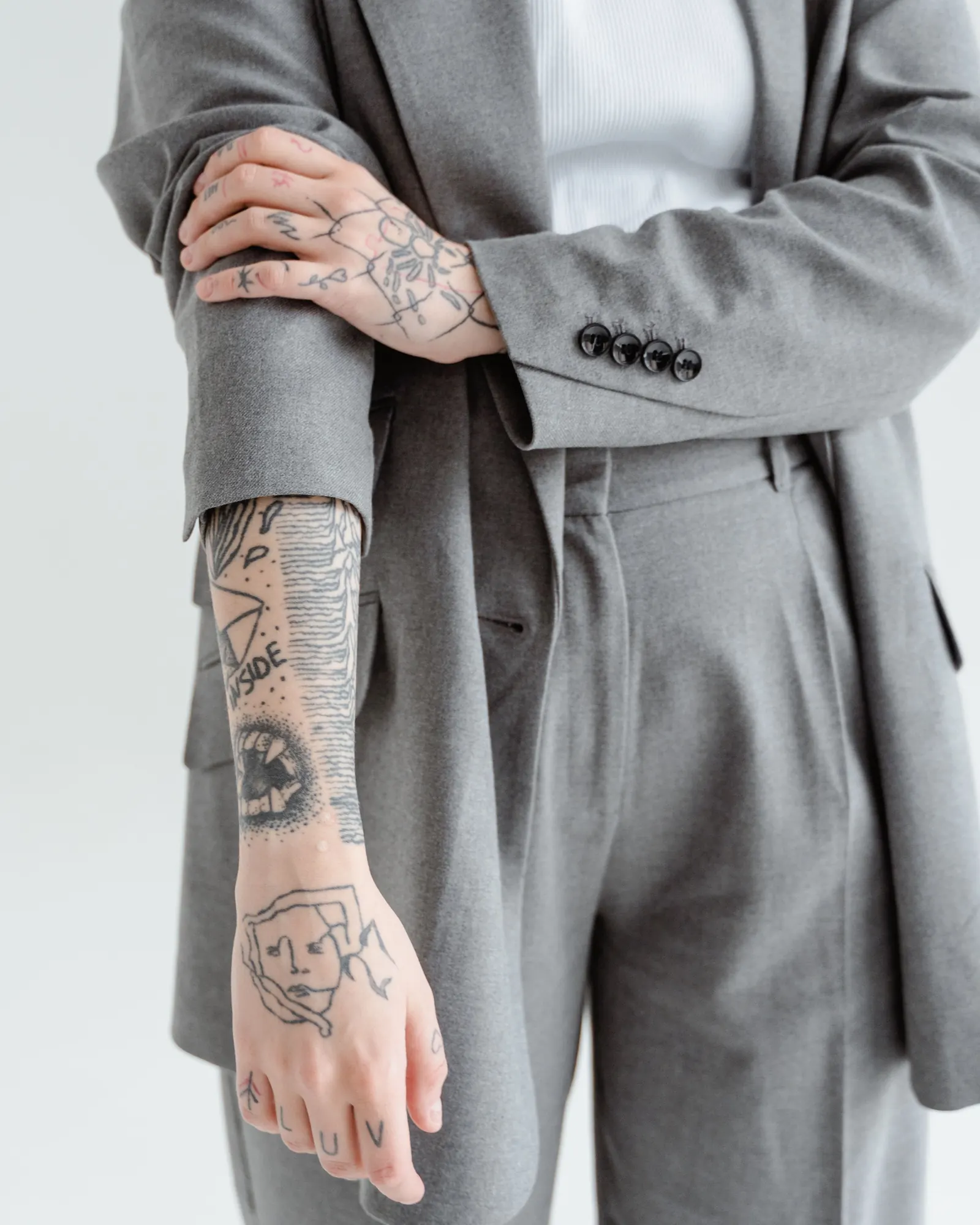
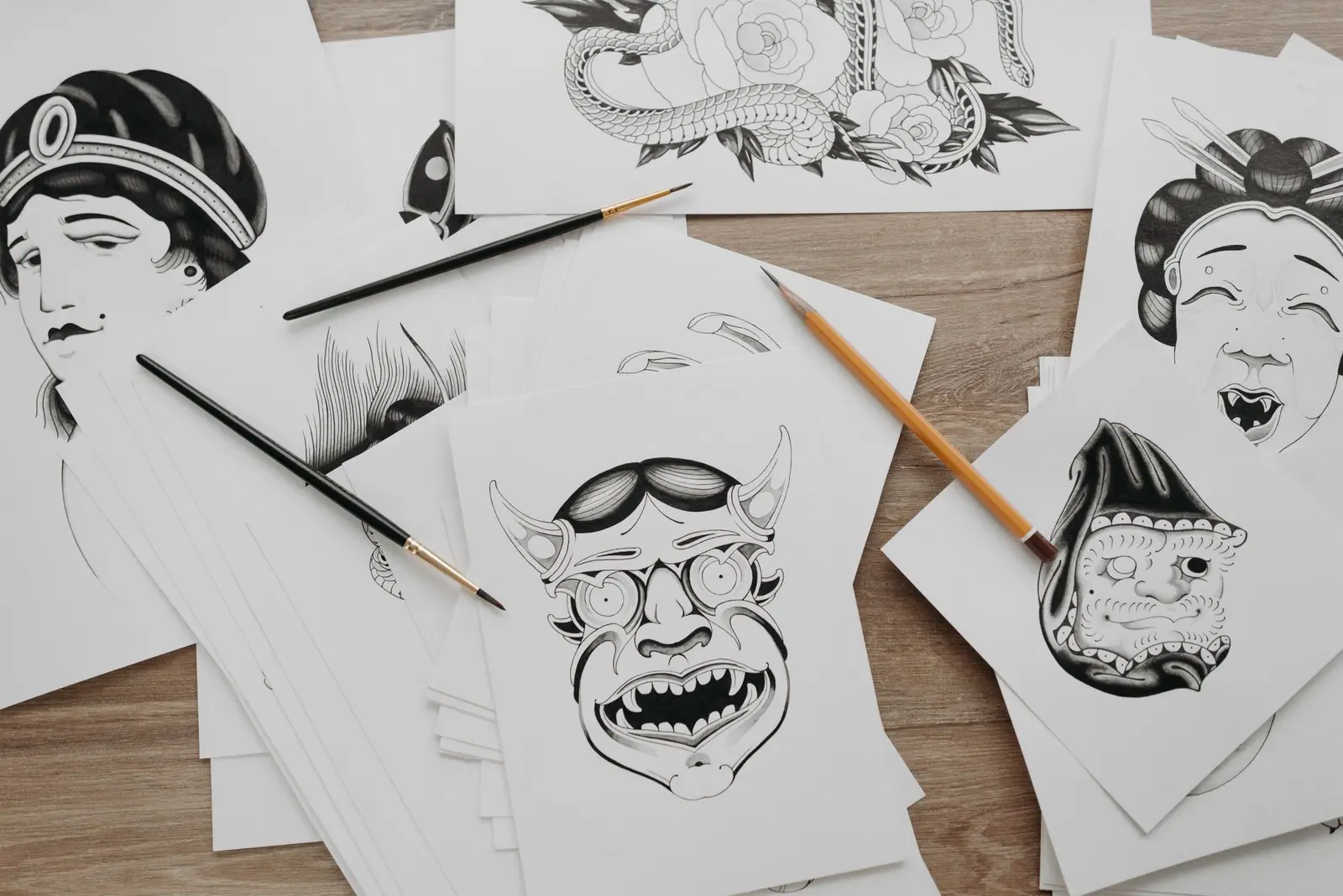
A fine line tattoo is made with thin, precise lines and little or no heavy shading. Think delicate botanicals, small script, single-line drawings and subtle micro-realism. The style looks simple, but it is technically demanding: there is little room to hide a shaky line. This guide explains what defines fine line work, which placements suit it, how it tends to age and how to choose an artist.
What makes a tattoo "fine line"
Fine line is less a set of motifs than a way of working. Artists typically use small needle groupings, sometimes a single needle, to create lines that are much thinner than in traditional tattooing. The look is light and detailed, often in black or grey, sometimes with soft touches of colour.
Common fine line subjects include:
- Flowers, leaves and botanical studies
- Small symbols, constellations and geometric shapes
- Script and lettering in thin handwriting styles
- Single-line drawings and minimalist portraits
- Micro-realism: tiny, detailed images with soft shading
Why the style is harder than it looks
In a bold traditional tattoo, a thick outline gives structure and forgives small irregularities. In fine line work, every wobble shows. The artist has to control depth very precisely: too shallow and the line may fade or drop out during healing, too deep and the ink can spread under the skin and blur. That's why fine line is a specialism, and why portfolio quality matters so much.
Placement: where fine line works well
Placement affects how a fine line tattoo looks now and in ten years.
Usually good choices
- Inner forearm and upper arm
- Shoulder and collarbone area
- Back, shoulder blade and ribs (though ribs are often more painful)
- Calf and thigh
These areas usually have relatively stable skin and less daily friction.
Placements to discuss with your artist
- Fingers and hands: skin renews quickly and is used constantly, so thin lines can fade or blur faster. Many artists are open about this and some decline very fine work there.
- Feet and ankles: friction from shoes and socks can affect healing
- Areas that change a lot: skin that stretches can distort small details over time
A good artist will tell you honestly if a design needs to be larger or simplified to suit the placement.
How fine line tattoos age
All tattoos change over time: ink settles and lines soften slightly. With fine line work, that softening is more visible because the lines start thin. Very small details placed close together can merge over the years. Ways to help a fine line tattoo age well:
- Choose a size that gives details room to breathe
- Keep tiny text and very dense details to a minimum
- Protect healed tattoos from the sun
- Follow aftercare carefully during healing
Many artists offer a touch-up after healing if a line didn't settle evenly. For general healing advice, see our tattoo aftercare guide, and always follow your own artist's instructions.
Choosing a fine line artist
Look for an artist who shows a lot of fine line work, not just one or two pieces among bold styles. In their portfolio, check:
- Straight lines that stay straight and curves that stay smooth
- Consistent line thickness
- Healed photos, ideally several months or more after the session
- Work in a similar size and placement to what you want
Healed photos are the most honest test for fine line work. If an artist only shows fresh pieces, ask if they have healed examples.
Our tattoo shop directory lists studios by country and city, with the styles they work in. Use it to make a shortlist, then go through each artist's portfolio.
Before you book
- Collect a few reference images and note what you like about each
- Think about size: fine detail often needs more space than people expect
- Ask about touch-ups and what happens if a line needs work after healing
- Send a complete request with placement, size and references, so the artist can judge whether the design works
Many fine line pieces are small, so some artists offer them as flash or on flash days, with a fixed price. Larger pieces are usually custom work, booked with a deposit.
For fine line artists: show your work well
Clients looking for fine line work compare portfolios closely, often on their phones. A few things help:
- Photograph in soft, even light so thin lines don't disappear in glare
- Show healed work and label it as healed
- Sort your portfolio by style so fine line pieces are easy to find
A website built with the OnlineTattoo.art tattoo website builder gives each artist a portfolio sorted by style, next to a booking form. If you draw small fine line flash, a flash page with prices lets clients choose a design without long DM conversations, and a booking form with reference images collects complete requests for custom work.
Colour and fine line
Fine line is often done in black or grey, but colour is possible too: a soft wash on a flower, a single coloured detail or delicate colour realism. Fine colour work needs the same care as fine black lines, and very light colours can soften more over time than darker ones, especially on skin that gets a lot of sun. If you want colour, look for artists who show healed fine line colour work, and ask which colours they expect to hold best on your skin tone and placement. A good artist will also tell you when a small black detail will read better than a pale colour.
Fine line versus minimalism
The two overlap but aren't the same. Minimalism is about design: few elements, lots of empty space. Fine line is about technique: thin lines. A minimalist tattoo can be done with bolder lines, and a fine line tattoo can be very detailed and anything but minimal.
Photo: Tima Miroshnichenko / Pexels