Tattoo artist website: what an independent artist really needs

A tattoo artist website is your own place online where clients see your work, read how you work and send a booking request. For an independent artist, a guest artist or someone renting a chair, it does something social media can't: it collects complete requests, keeps your portfolio organised and stays yours, whatever happens to the platforms. This article covers what a solo artist's site really needs, and what you can leave out.
Why a website when you already have social media?
Most artists are discovered on social media, and that won't change. But a feed is a poor place to run your bookings. Requests arrive in DMs without the details you need, your best work disappears under newer posts, and you don't control who sees what. A website is where interested people go next: to check your style, read your rules and book.
There's also the move factor. Many artists change studios, work guest spots or go private at some point. If your clients know you through your own site and domain, they follow you wherever you work.
The pages a solo artist needs
You don't need a big site. Five or six clear pages are enough.
Home
Who you are, what you tattoo, where you work and a clear button to book. One or two lines and your strongest piece above the fold is better than a long introduction.
Portfolio
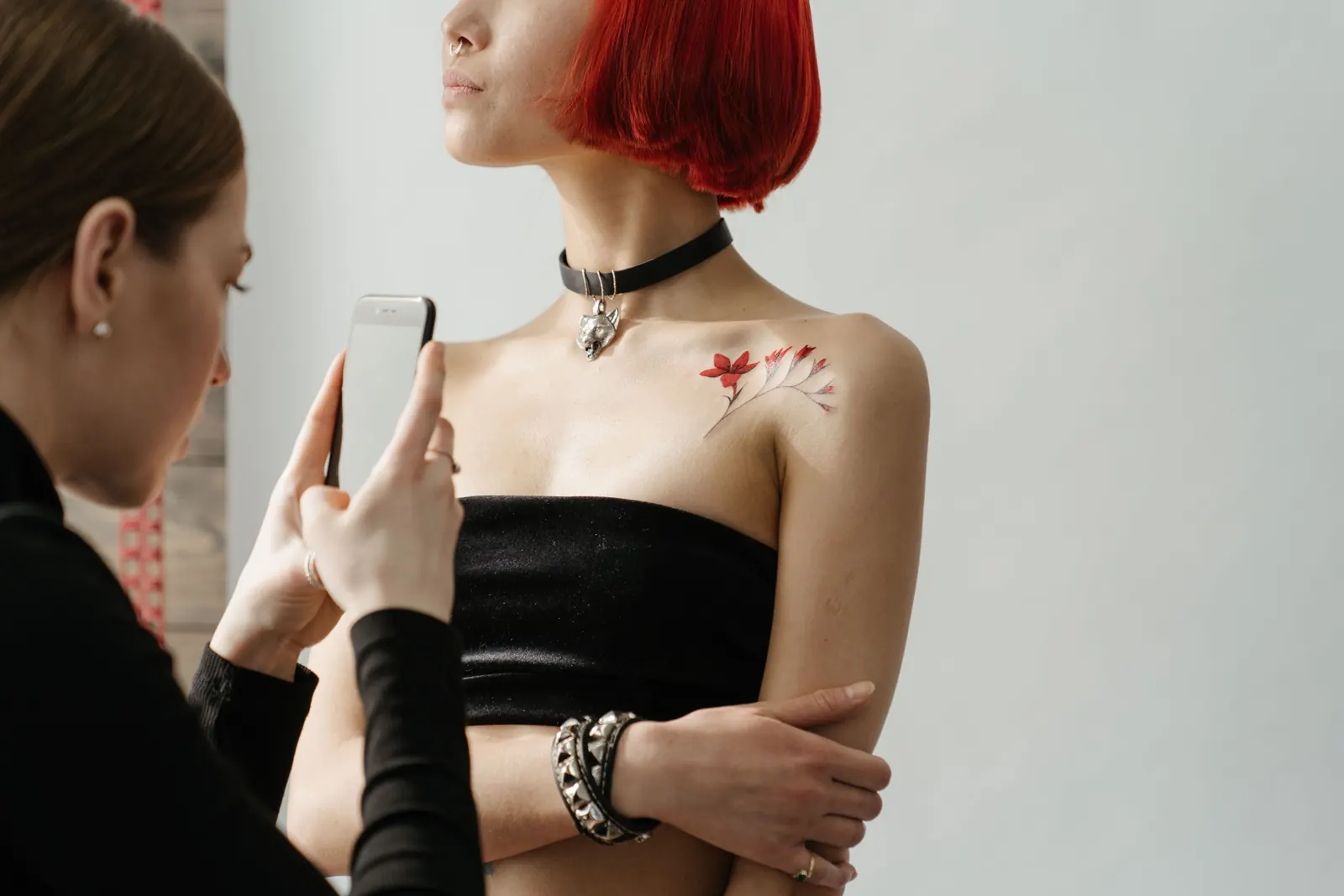
Your best and most recent work, sorted by style. Healed photos where possible. For tips on taking good photos, read our guide on tattoo portfolio photography.
Flash
If you draw flash, give it its own page with prices and a note on whether a design is one-off or repeatable. That turns your flash into something people can act on. More on the sell tattoo flash online page.
Booking
A form that asks for idea, placement, size, colour or black and grey, reference images and availability, plus your deposit and cancellation rules. On OnlineTattoo.art, a booking request form is part of every site; online deposits are in development as the Bookings add-on.
About and location
Where you work (your own studio, a shared shop or guest spots), how to get there and how clients can reach you. If you travel for guest spots, list the dates and cities.
Aftercare and FAQ
The instructions you give after a session and answers to questions you get every week. It saves time and shows you care about how the work heals.
Make every page lead to a booking
A website only helps if visitors take the next step. Look at every page and ask: what should someone do after reading this? Usually the answer is "send a booking request" or "check the flash". Add a clear button at the end of your portfolio, your flash page and your about page. Keep the form short enough to finish on a phone, but complete enough that you don't need to ask follow-up questions. And reply quickly: a client who sent a complete request and hears nothing for two weeks will book with someone else. If you're fully booked, say so on the booking page, with when you expect to open your books again and a link to sign up for news.
What you can leave out
- Long biographies: a few sentences is enough
- A blog you won't update: an outdated news page looks worse than none
- Every photo you ever posted: curate
- Autoplay video and music: they slow the site down and annoy visitors on mobile
Your own domain
yourname.com or yourname.tattoo looks professional and is easy to say out loud. It keeps working if you change providers or studios. On OnlineTattoo.art your own domain is free for the first year, with SSL and DNS handled. A mailbox on your domain is coming as an add-on.
Selling prints and merch
Many artists sell prints of their flash, stickers or shirts. A small webshop next to your portfolio makes that easy and keeps the money in your own account. The Tattoo artist plan on OnlineTattoo.art includes a webshop for prints and merch.
What does a tattoo artist website cost?
It depends on what you need and who builds it. A general website builder looks cheap until you add booking, payments and a shop. OnlineTattoo.art has a plan for independent artists: Tattoo artist at €9.99 per month, or €95.90 per year (€7.99 per month), including VAT. It includes a portfolio website sorted by style, a booking request form, flash pages, a webshop for prints and merch and your own domain free for the first year. Prices and add-ons are on the pricing page.
Working in a shop with other artists?
If you're part of a studio, a shared site with a page per artist often works better. The Shop website plan gives each artist their own portfolio and booking form under the studio's site. You can read more in how the tattoo website builder works.
Getting started without losing a week
The hardest part is starting. Two ways to make it quick:
- Pick your 20 to 30 strongest pieces and sort them by style before you start building
- Write down your five most frequent DM questions; each one becomes a sentence on your site
Or let someone else do the first version. With a free website preview, we build a private preview from your Instagram or current site, using your own work. You only choose a plan if you like it and want to go live.
Checklist for a solo tattoo artist website
- Portfolio sorted by style, with healed work
- Flash page with prices
- Booking form with reference images and clear deposit rules
- Location, guest spots and contact details
- Aftercare instructions and a short FAQ
- Your own domain
- Optional: webshop for prints and merch
Photo: Cedé Joey / Pexels