Tattoo conventions for artists: how to prepare and make it worth it
A tattoo convention brings artists, studios and clients together for a few days of tattooing, competitions and meeting people. For an artist it can mean new clients, new contacts and visibility, but also costs, long days and a lot of preparation. Whether it's worth it depends mostly on what you do before and after. This guide covers choosing a convention, preparing your bookings and flash, working the booth and following up.
Why artists go to conventions
- New clients from outside your city or country
- Visibility among other artists and studios
- Inspiration from seeing other styles and techniques up close
- Competitions, for those who want to enter
- Meeting people you might work with later, for example for a guest spot
Conventions differ a lot in size, audience and atmosphere. Choose one that fits your style and goals.
Choosing a convention
Before you apply, find out:
- Who visits: mostly collectors looking for large pieces, or visitors looking for small flash?
- Which artists usually attend: does your style fit in, or will you stand out?
- The costs: booth or table fee, travel, accommodation, supplies, time away from your studio
- The rules: hygiene requirements, permits for the event, what equipment is provided
- The application process: many conventions select artists, so apply early with a strong portfolio link
A professional website with a clear portfolio helps your application. Our article on what an independent tattoo artist website needs covers the essentials.
Book clients before you go
Waiting for walk-up clients on the day is risky. Many artists fill part of their convention days in advance:
- Announce the convention several weeks ahead, with dates and city
- Offer a few slots for larger pieces, booked with a deposit
- Leave time for walk-ups and flash
- Use your newsletter: subscribers near the convention are likely clients. A newsletter built into your website lets you reach everyone who signed up.
A booking request form where clients can mention the convention helps you plan the days.
Flash for conventions
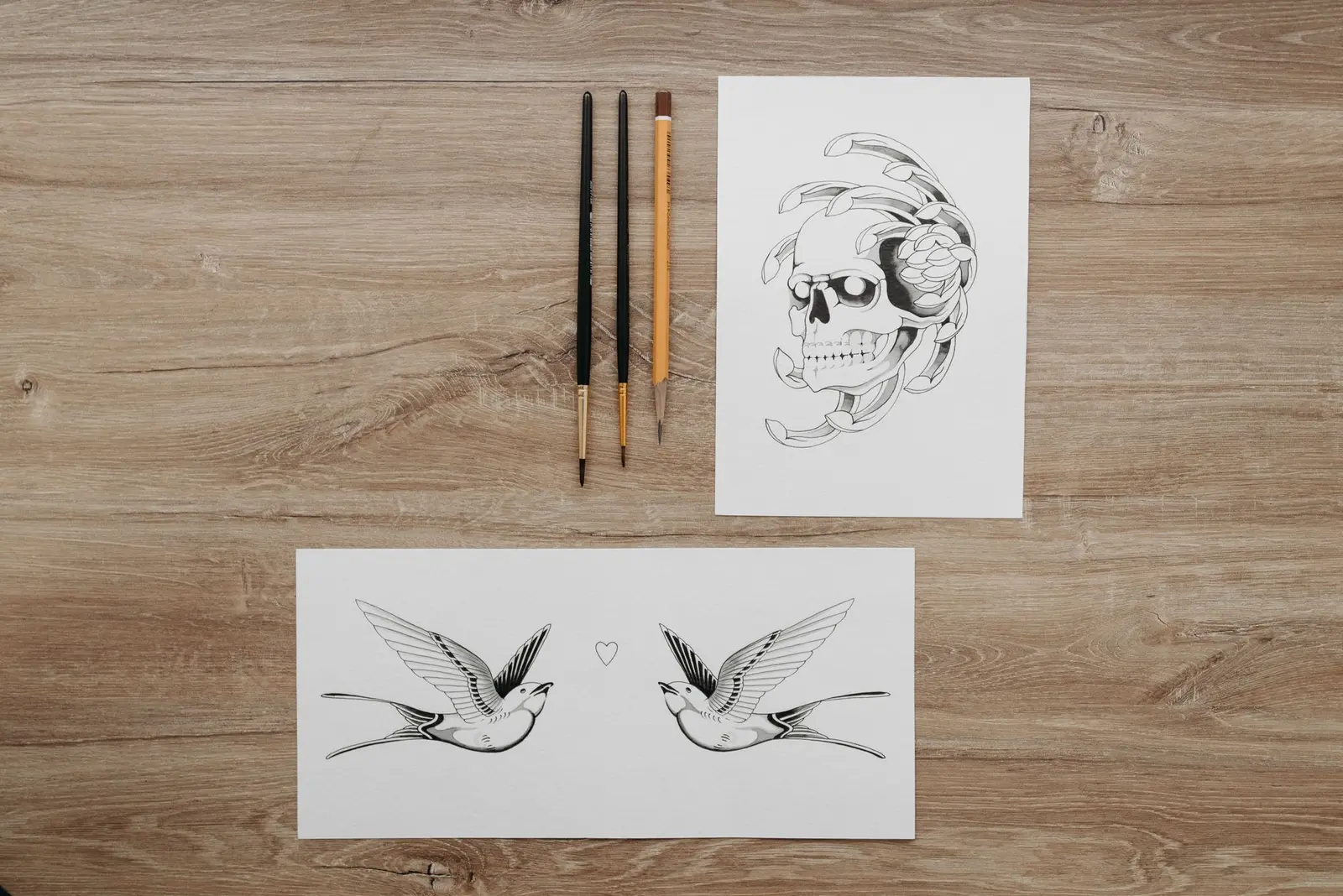
Flash works especially well at conventions. Visitors walk around, see a design and want it the same day. Prepare:
- A convention flash sheet with fixed prices and sizes
- One-off designs for urgency, and repeatable designs for steady work
- Designs that fit the time available on a convention day
Put the sheet online before the event so people can choose in advance. A flash page with prices makes that easy. Our guide on planning a flash drop also applies to convention sheets.
Your booth
- Keep it clean and calm: a clear display of your work, not a cluttered table
- Show your portfolio: a printed book or a tablet with healed work
- Make it easy to contact you: a card or sign with your website and a QR code to your booking page
- Display prices for flash so people don't have to ask
Hygiene and rules
Hygiene standards don't relax at a convention. Follow the event's rules and your normal routines: barrier film, single-use needles and gloves, proper waste disposal and a clean workstation. Some events require registration or a temporary permit for every artist; check this well in advance.
Entering competitions
Many conventions hold competitions in categories such as best small piece, best black and grey or best of the day. Entering can bring extra attention, but it's optional. If you want to enter:
- Read the categories and rules in advance; some require the piece to be tattooed at the convention
- Plan the session so the piece is finished in time for judging
- Make sure your client agrees to be on stage and photographed
- Clean and photograph the piece well before judging
Winning is nice, but the photos and the conversations around the competition are often worth more. Don't let a competition piece put pressure on your hygiene or on the quality of your other appointments. Some artists save competitions for their second or third visit, once they know how the event works.
Payments
Visitors expect to pay by card, so make sure you can accept card payments as well as cash. Keep your deposit rules clear for clients who booked ahead.
During the convention
- Pace yourself: convention days are long
- Photograph every piece for your portfolio
- Collect newsletter sign-ups from people who want to hear about your next dates
- Talk to other artists; many guest spots start with a conversation at a convention
After the convention
The convention isn't over when you pack up. Within a week:
- Post photos of the work, thanking clients and the organisers
- Add the best pieces to your portfolio
- Send a short newsletter to new subscribers
- Follow up with people who asked about future bookings
Over the following weeks, ask clients for healed photos. Many conventions also lead to invitations for guest spots; our tattoo guest spot guide helps you plan those.
Is it worth it?
Add up the costs and compare them with what you earned, the new clients who book later and the contacts you made. The first convention is often an investment; returning to the same event regularly tends to work better as visitors start to recognise you.
Checklist
- Choose a convention that fits your style and audience
- Apply early with a strong portfolio link
- Pre-book part of your time with deposits
- Prepare a convention flash sheet with prices
- Check hygiene rules and permits
- Accept card payments
- Collect sign-ups and photos
- Follow up within a week
The OnlineTattoo.art tattoo website builder gives you a portfolio, flash pages, a booking form and a newsletter in one place, so convention visitors can find and book you afterwards.
Photo: Pavel Danilyuk / Pexels