Tattoo pain by placement: a general guide to what to expect
How much a tattoo hurts depends mostly on where it goes and on you. Areas with thin skin, many nerve endings or bone close to the surface usually feel more intense; fleshy areas usually feel milder. This is a general guide based on what tattoo artists commonly tell clients, not medical advice. Everyone experiences pain differently, and if you have a medical condition or take medication, ask your doctor before getting tattooed.
What affects tattoo pain
Placement is the biggest factor, but not the only one:
- Skin and what's under it: thin skin over bone tends to feel sharper than skin over muscle or fat
- Nerve endings: some areas are simply more sensitive
- Session length: most people find the first part easier than the last hour of a long session
- Type of work: fine lines feel different from packing solid colour or black, which takes more passes over the same area
- Your state on the day: tiredness, hunger and stress can make it feel worse
So two people can describe the same placement very differently. Use the overview below as a rough guide, not a promise.
Placements that are often described as milder
- Outer upper arm and shoulder: a common first-tattoo spot for a reason
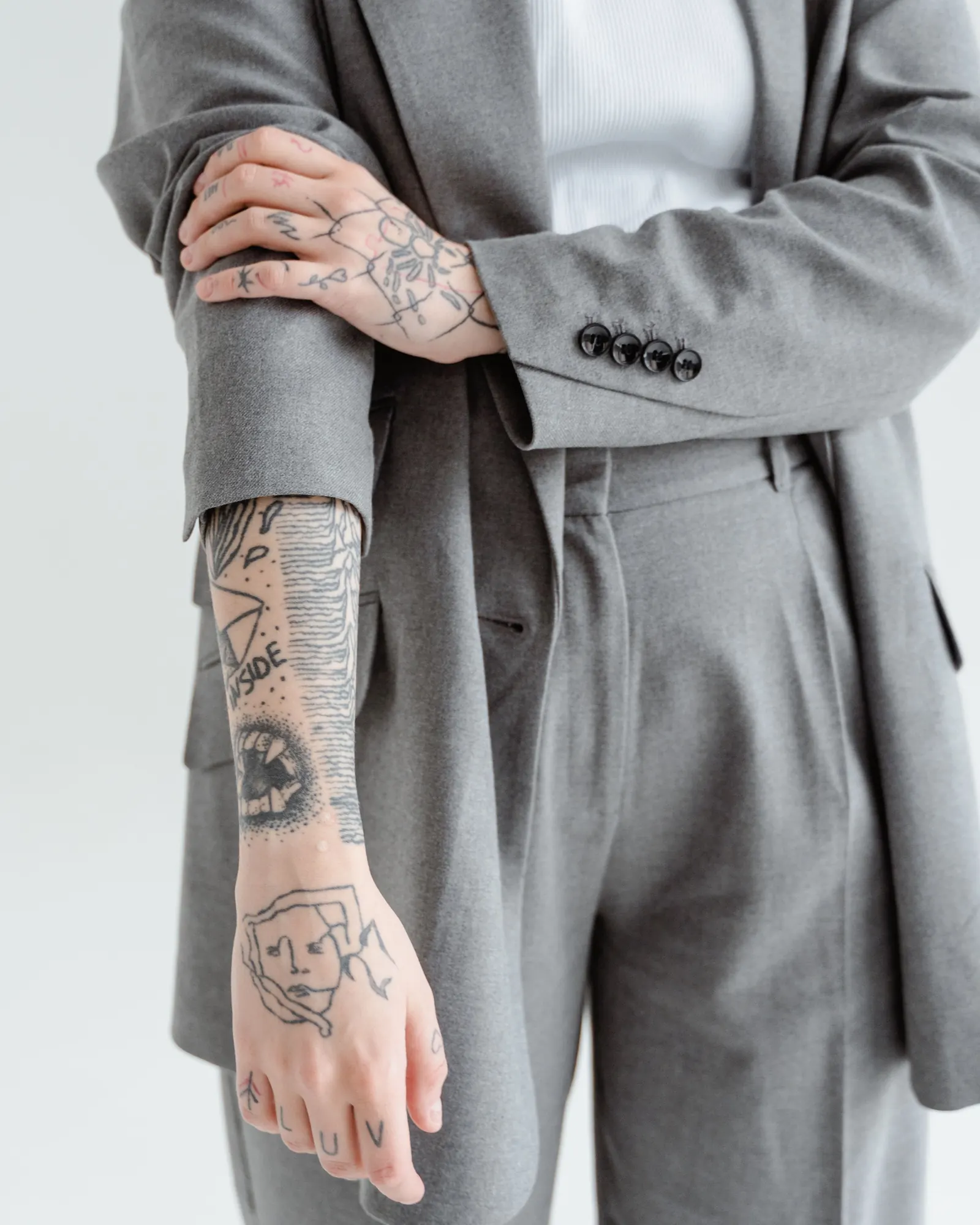
- Outer forearm: muscle and relatively thick skin
- Outer thigh and front of the thigh: plenty of tissue
- Calf: generally manageable, a bit sharper near the shin
- Upper back and shoulder blades (the fleshy parts): often fine, more intense near the spine
Placements that are often described as moderate
- Inner forearm: thinner skin, but usually fine
- Upper chest: varies a lot from person to person
- Lower back: sensitive for some people
- Buttocks and hips: fleshy, but the hip bone area can be sharper
Placements that are often described as more intense
- Ribs and sides: thin skin over bone, and breathing moves the area
- Sternum and spine: bone close to the surface
- Inner upper arm and armpit: thin, sensitive skin
- Inner elbow and back of the knee: many people find these among the hardest
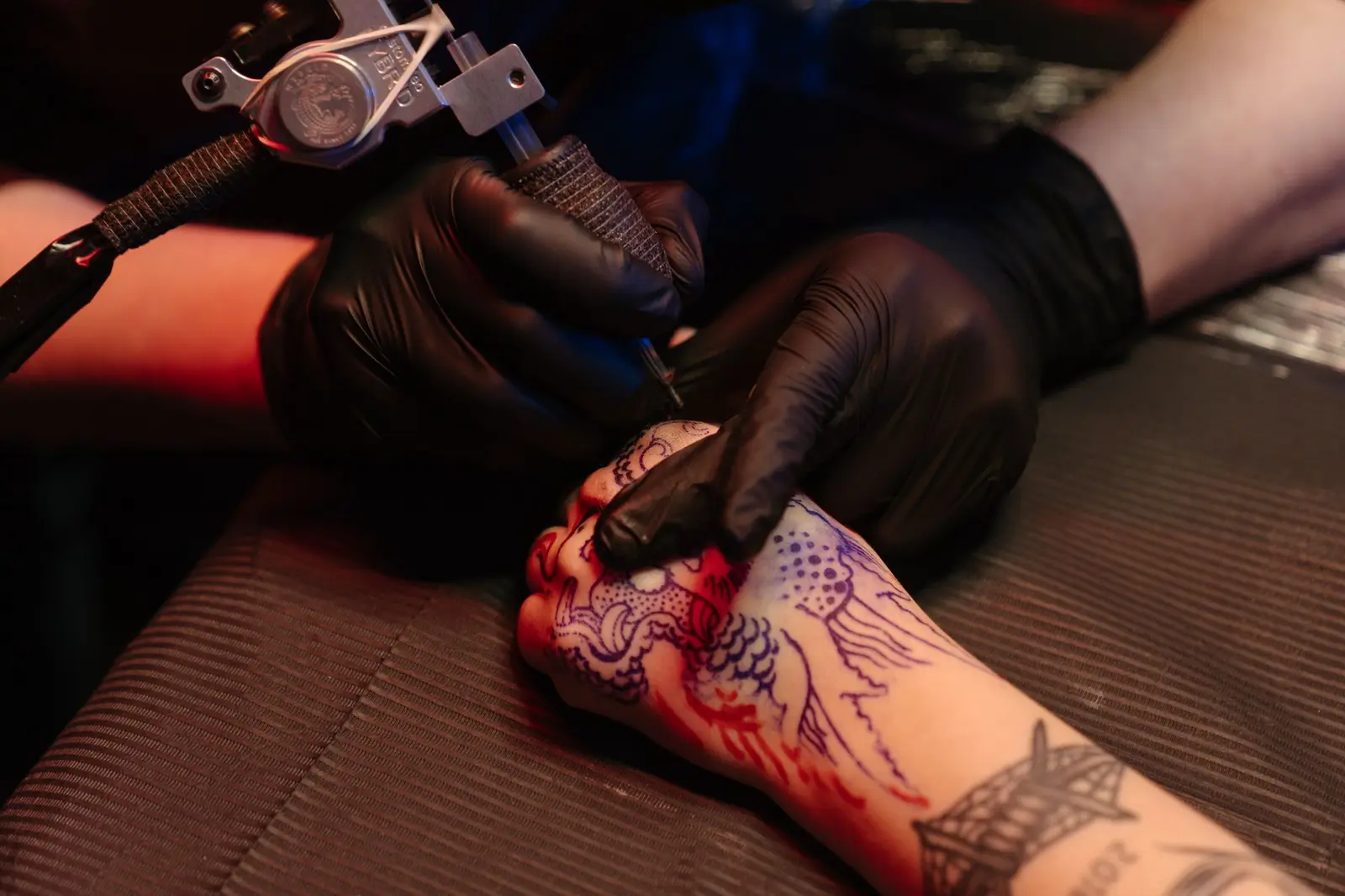
- Hands, fingers, feet and ankles: thin skin and bone, and these spots can also be harder to heal
- Head, face and neck: sensitive areas, and visible placements deserve extra thought
How to make a session easier
These are general tips most artists give:
- Sleep well and eat a proper meal beforehand
- Bring water and a snack, especially for longer sessions
- Don't drink alcohol before your session
- Wear comfortable clothes that give easy access to the area
- Breathe calmly and tell your artist if you need a short break
- For a large piece, ask whether it can be split over several sessions
Some people ask about numbing creams. Artists have different views on them: some allow them, some don't, because they can affect the skin. Always ask your artist before using anything, and ask a doctor or pharmacist if you're unsure.
If you have a medical condition, are pregnant or take medication, talk to your doctor before getting tattooed, and tell your artist.
Pain isn't the only reason to choose a placement
A spot that hurts less isn't always the best place for your design. Think about:
- How the design fits: long designs suit forearms and calves; wide designs suit backs and thighs
- Ageing: areas with a lot of friction or sun can affect how a tattoo ages, especially fine detail
- Healing: hands, feet and areas that bend a lot can be harder to heal well
- Visibility: do you want to see it every day, or show it only when you choose?
A good artist will talk this through with you. Mention any concerns about pain when you send your request; a booking request form with a field for questions makes that easy. More about planning a first piece in our first tattoo guide.
Long sessions, breaks and splitting a piece
For larger tattoos, session length matters as much as placement. Many people find the first hours manageable and the last part harder, as the skin becomes more sensitive. Ways to make long work easier:
- Ask your artist how long they expect the session to take
- Agree in advance when you'll take short breaks
- Bring something to distract you, such as music or a podcast, if the artist is fine with headphones
- Consider splitting a large piece over several sessions, with healing time in between
Splitting a piece isn't a sign of weakness. Many artists prefer it for large work, because both you and your skin stay in better shape. Tell your artist honestly how you're doing; a good artist would rather pause for a minute than push through.
After the session
The area will usually feel sore and warm for a few days, like a graze or sunburn. That's normal. Follow your artist's aftercare instructions; our tattoo aftercare guide explains what usually happens. If pain, redness or swelling gets worse instead of better after the first days, contact a doctor.
Finding an artist who puts you at ease
A calm, experienced artist who explains what's happening makes a real difference to how a session feels. When you compare studios, notice how they communicate. Our tattoo shop directory helps you find studios by country and city.
For tattoo shops
Pain and placement are among the most common questions from first-time clients. A short section on your website about preparation and what to expect saves you repeating it in every conversation, and helps nervous clients book. The OnlineTattoo.art tattoo website builder gives you room for that information next to each artist's portfolio and booking form.
Photo: cottonbro studio / Pexels