Micro-realism tattoos: tiny detail and what to know before you book
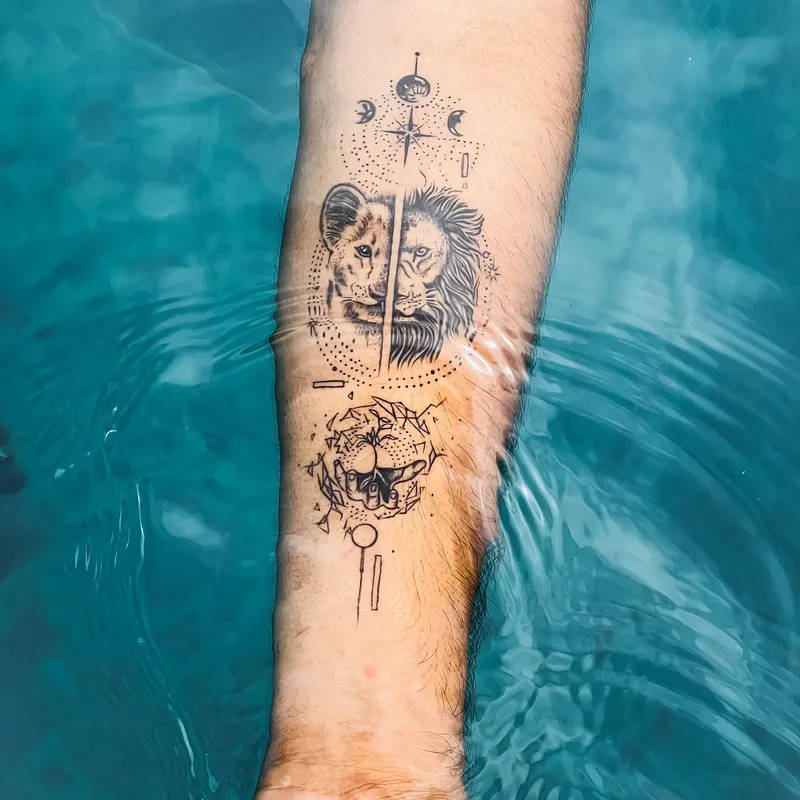
Micro-realism packs a realistic image, such as a portrait, an animal or a landscape, into a very small tattoo. On a phone screen the results can look astonishing: fur, reflections in an eye, a whole scene in a few centimetres. But small, detailed tattoos also raise real questions about how they will look years from now. This guide explains how micro-realism works, which subjects suit it, what happens as the tattoo ages and how to choose an artist who designs for the long term.
What micro-realism is
Micro-realism is realism at a small scale. Artists typically use very fine needle groupings, often single needles or small round liners, to build detailed shading in a small area. The style overlaps with fine line and black and grey realism, and it can be done in black and grey or in colour.
What it shares with full-size realism is the goal: an image that looks like a photograph rather than a drawing. What makes it different is the scale. Our realism tattoo guide explains the larger version, where there is more room for detail and contrast.
Subjects that work well
- Animals, especially faces of cats, dogs, lions, birds and insects
- Portraits with strong contrast and a simple background
- Landscapes in a frame, such as mountains, forests or the moon
- Flowers and botanicals
- Objects with clear shapes: a camera, a key, a watch
Subjects with strong contrast and a clear silhouette survive small sizes better than subjects that rely on subtle tones. A face with dark eyes and a clear outline reads better than a pale face against a pale background.
The honest truth about ageing
All tattoos change over time. Ink sits in the skin, and over the years particles spread slightly and the body slowly breaks down some pigment. In a large tattoo, a tiny spread barely matters. In a micro-realistic tattoo, where details are millimetres apart, it can:
- Blur fine details such as eyelashes, fur and textures
- Merge dark areas that sit close together
- Lower contrast as the lightest greys fade
That doesn't mean micro-realism is a bad idea, but it does mean the design choices matter. Experienced artists tackle it by:
- Making the piece a little larger than the smallest possible size
- Keeping strong contrast between darks and lights
- Leaving enough open skin around and inside the design
- Simplifying details that would blur anyway
Ask the artist to show healed work, ideally a year or more old, not only fresh photos. Fresh micro-realism photographed through a macro lens can look much sharper than it will in real life. Sun protection for healed tattoos is especially important for small, detailed pieces.
Size and placement
Placement matters as much as size. Micro-realism ages best on areas with:
- Little friction: inner and outer forearm, upper arm, calf, shoulder blade
- Stable skin: places that don't stretch or fold a lot
- Some flat space, so the image doesn't wrap around a curve
Fingers, hands, feet and the sides of the hands are less suitable: skin there renews faster and gets more friction, so fine detail fades sooner. If you love small and simple instead, our guide to minimalist and geometric tattoos covers designs that are made for small sizes.
Micro-realism, fine line and minimalism
- Fine line: thin, clean lines and little shading; see our fine line tattoo guide
- Minimalist: simple shapes and few details
- Micro-realism: small but detailed, with realistic shading and texture
Some pieces combine them, for example a micro-realistic animal face inside a fine line frame. That can be a good way to keep the realistic part small while giving the design structure.
Colour or black and grey?
Both are possible at a small size. Black and grey micro-realism relies on contrast and tends to keep its shape well when the design has deep blacks. Colour micro-realism can be beautiful, but small areas of light colour have less margin as they fade, and colours that sit close together can blend into each other. If you want colour, discuss which parts really need it; often a mostly black and grey piece with one or two colour accents ages more gracefully than a fully coloured miniature.
Healing
Small, fine tattoos usually heal fairly quickly, but they are also sensitive to overworking and aftercare mistakes. Follow your artist's instructions carefully and avoid picking at flakes. Some fine details may look lighter once healed; many artists offer a touch-up within a set period to restore contrast where needed.
Choosing a micro-realism artist
Micro-realism is a demanding specialism. When you look at portfolios:
- Look for healed photos alongside fresh ones
- Check that subjects read clearly at the actual size, not only zoomed in
- Look for strong contrast and clean open skin
- Ask about the minimum size they recommend for your subject
- Prefer an artist who is honest about ageing over one who promises it will stay razor sharp
Our tattoo shop directory lists studios by country and city, with the styles they work in.
Booking
- Provide a sharp, high-resolution reference photo with good contrast
- Tell the artist the size you have in mind, and be open to going a bit bigger
- Mention the placement and how visible you want it to be
- Ask whether the artist offers a touch-up after healing
A clear booking request with deposit helps the artist judge whether the subject works at the size you want.
For micro-realism artists
Clients compare fresh close-ups, so show the full picture: real-size photos, healed work and honest advice on size. With the OnlineTattoo.art tattoo website builder your portfolio is sorted by style, and your booking form can ask for reference photos and placement up front.
Photo: rael frames / Pexels