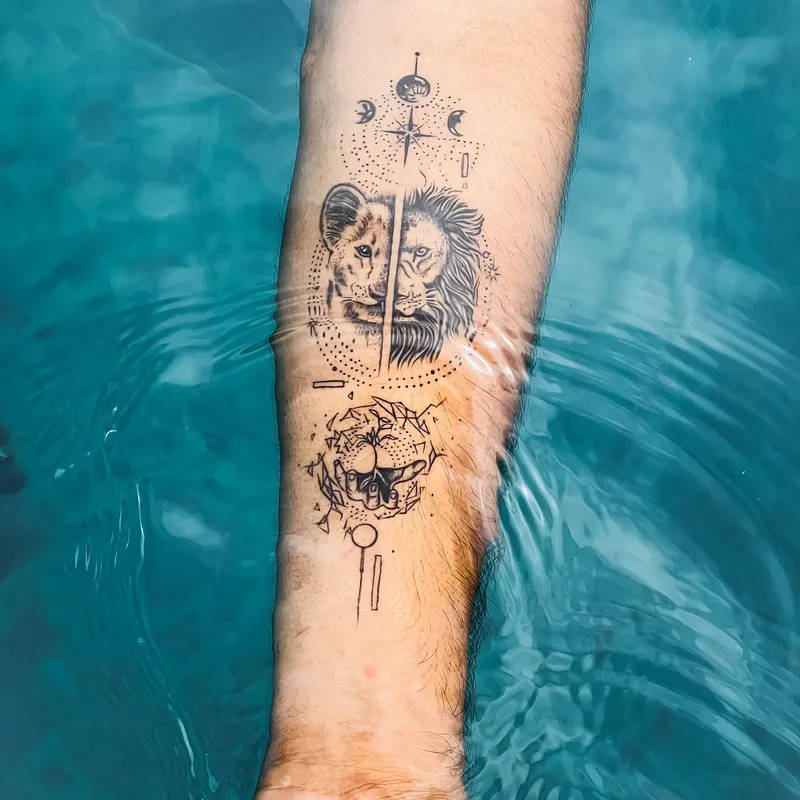
Ornamental and mandala tattoos: pattern, symmetry and flow
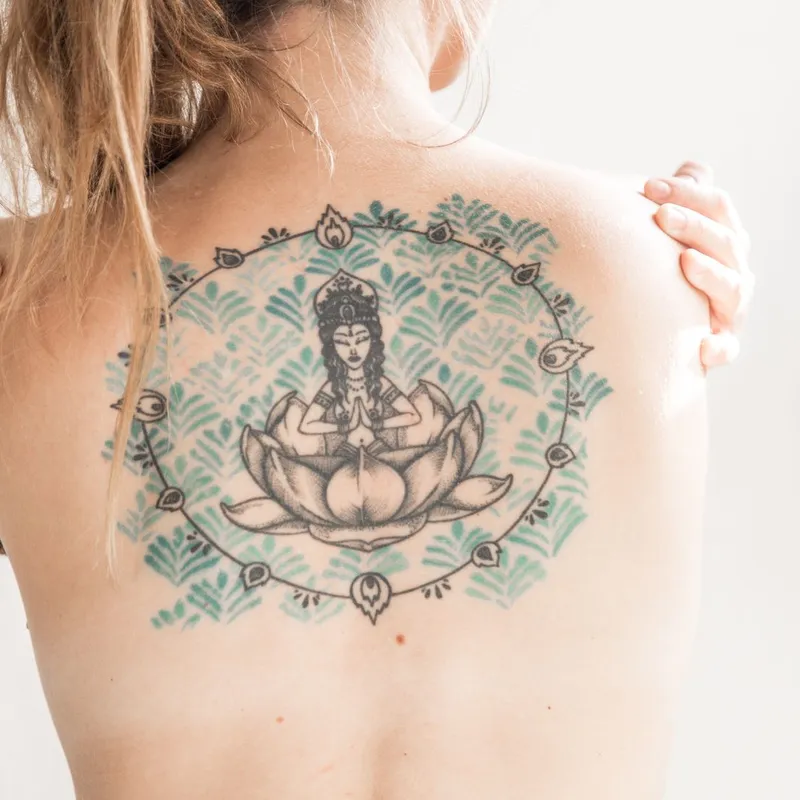
Ornamental tattoos turn the body into a surface for pattern: lace-like bands, jewellery-inspired chains, filigree, scrolls and mandalas that radiate from a centre. Done well, they look like they belong on the body, following the curve of a shoulder, the line of the spine or the back of a hand. This guide explains where ornamental and mandala designs come from, what makes them work, how they're placed and how to choose an artist.
What ornamental tattooing is
Ornamental work is decorative by nature. Instead of telling a story with a figure or a scene, it uses pattern, rhythm and symmetry. Common elements include:
- Mandalas: circular designs built in rings around a centre
- Jewellery-inspired pieces: chains, pendants, beads and drops, often on the hands, sternum or back
- Lace and filigree: delicate repeating edges and openwork
- Scrolls and flourishes: curling lines borrowed from architecture and decorative art
- Bands and borders: repeating patterns around arms and legs
Ornamental tattoos are often black, using dotwork for soft shading and solid black for contrast. Our dotwork tattoo guide explains how stippled shading is built.
Roots and influences
Ornamental tattooing draws on many decorative traditions:
- Mandalas come from Hindu and Buddhist traditions, where the word, from Sanskrit, refers to a circle and the designs are used in ritual and meditation
- Henna or mehndi patterns, a practice in South Asia, the Middle East and North Africa, especially for weddings and celebrations
- Islamic geometric art, with its complex tilings and stars
- European ornament, from baroque scrolls to Victorian lace and jewellery
- Architectural detail, such as rose windows, ironwork and carved stone
Many people choose ornamental designs simply because they are beautiful. If a design draws directly on a religious or cultural source, such as a specific deity in the centre of a mandala, it is worth learning what it represents and wearing it with respect. A good artist can help you find a design that suits you without turning a sacred image into decoration by accident.
Symmetry and flow
Ornamental work depends on symmetry, but the body is never perfectly symmetrical. Good ornamental artists design for movement:
- Mandalas are centred on a point that makes sense, such as the elbow, knee, shoulder or between the shoulder blades
- Patterns curve with muscles instead of fighting them
- Sternum and back pieces follow the centre line of the body
- Hand pieces follow the bones and joints of the fingers
The stencil stage matters a lot. Many artists draw parts of the design freehand on the skin to make sure it flows.
Connecting tattoos with ornament
Ornamental work is also a practical tool. Many people use it to connect separate tattoos into one sleeve or back piece, to fill gaps between older pieces, or to frame a central image. A lace band can join two pieces on a forearm; a mandala can anchor the elbow of a sleeve; dotwork filler can soften the edges of an older tattoo. If that's your plan, bring photos of everything nearby to the consultation, and ask the artist how the ornament will tie the different styles together without overpowering them.
Placement and size
- Sternum and underbust: classic for symmetrical ornamental pieces
- Back and spine: room for large mandalas and vertical designs
- Shoulders and elbows: mandalas that wrap around a joint
- Hands and feet: jewellery-like designs, though detail fades faster here
- Thighs and forearms: bands, lace and larger mandalas
Detailed patterns need size. A mandala with many rings works best at palm size or larger; tiny versions can lose their structure over time.
Ornamental, geometric and blackwork
The three often overlap. Geometric work uses strict shapes and lines, as explained in our geometric tattoo guide. Ornamental work is softer and more decorative, with curves, petals and lace. Blackwork adds solid black areas and strong contrast; our blackwork tattoo guide covers what to expect when large areas are filled.
How ornamental tattoos age
Bold outlines and solid black hold well. Fine dotwork and very thin lace details soften first, and areas with a lot of friction, such as the hands and feet, fade faster. Designs with clear spacing between elements stay readable longest. Protect healed work from strong sun, and follow your artist's aftercare instructions closely in the first weeks; dotwork in particular can look lighter once healed, and a touch-up is common.
Choosing an ornamental artist
When you look at portfolios, check:
- Symmetry that holds on curved parts of the body
- Smooth dotwork shading without patches
- Clean, even lines in repeated patterns
- Designs that look made for the body, not pasted on
- Healed photos, especially of hand and sternum pieces
Our tattoo shop directory lists studios by country and city, with the styles they work in. Ornamental specialists often travel for guest spots, so check their schedules too.
Booking
- Describe the mood you want: delicate and lacy, bold and graphic, or somewhere between
- Share references, ideally healed ornamental work you like
- Mention placement and nearby tattoos; ornamental pieces are often used to connect others
- Ask whether the artist draws freehand on the skin
A clear booking request with deposit gives the artist time to prepare a design that fits your body.
For ornamental artists
Ornamental work looks best on the body in motion, which is hard to show in one photo. Show the full piece straight on, a close-up of the detail and a healed photo. With the OnlineTattoo.art tattoo website builder your portfolio is sorted by style, so clients find your ornamental work quickly.
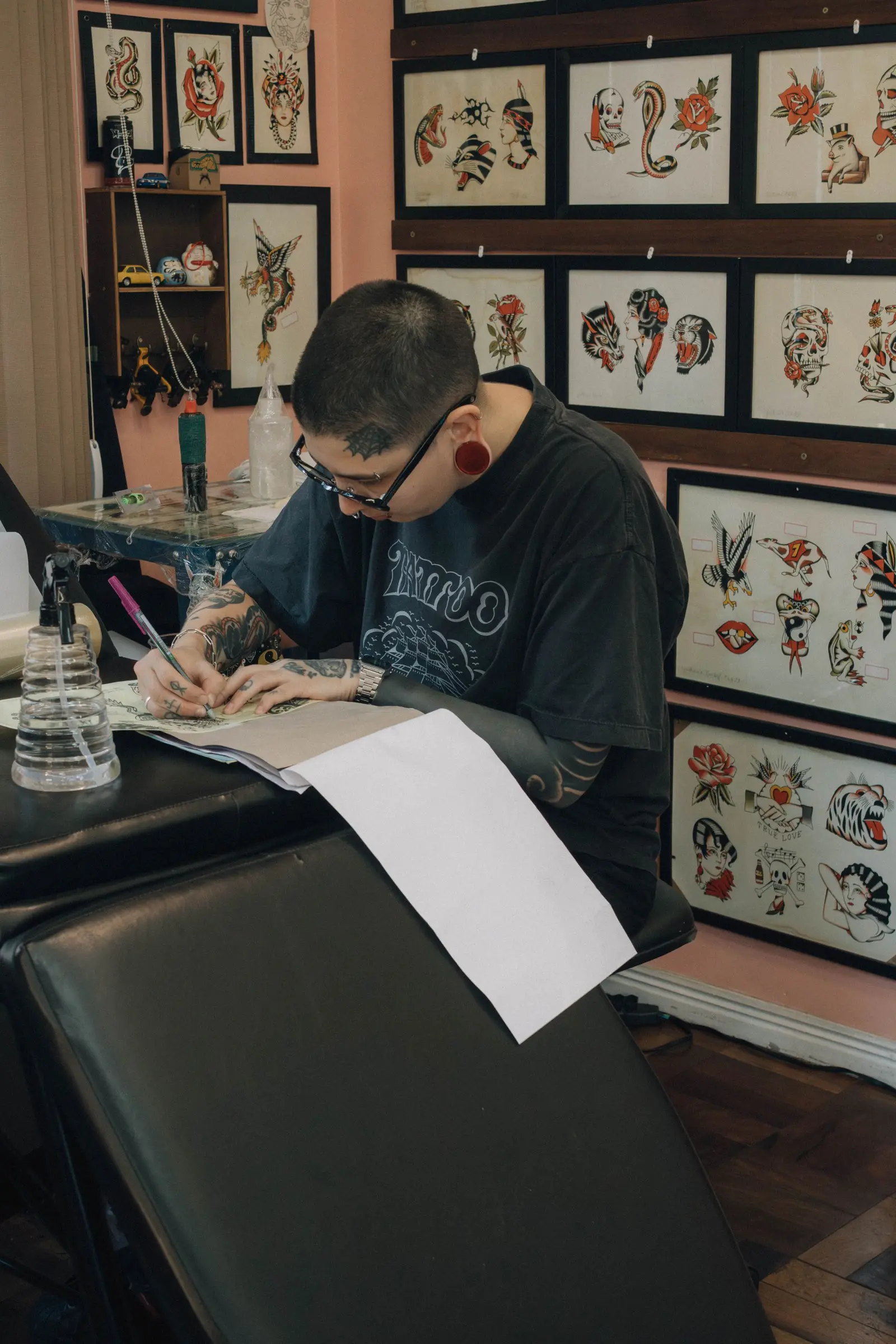
Photo: Daph Namaste / Pexels