Tribal tattoos: origins, meaning and getting one respectfully
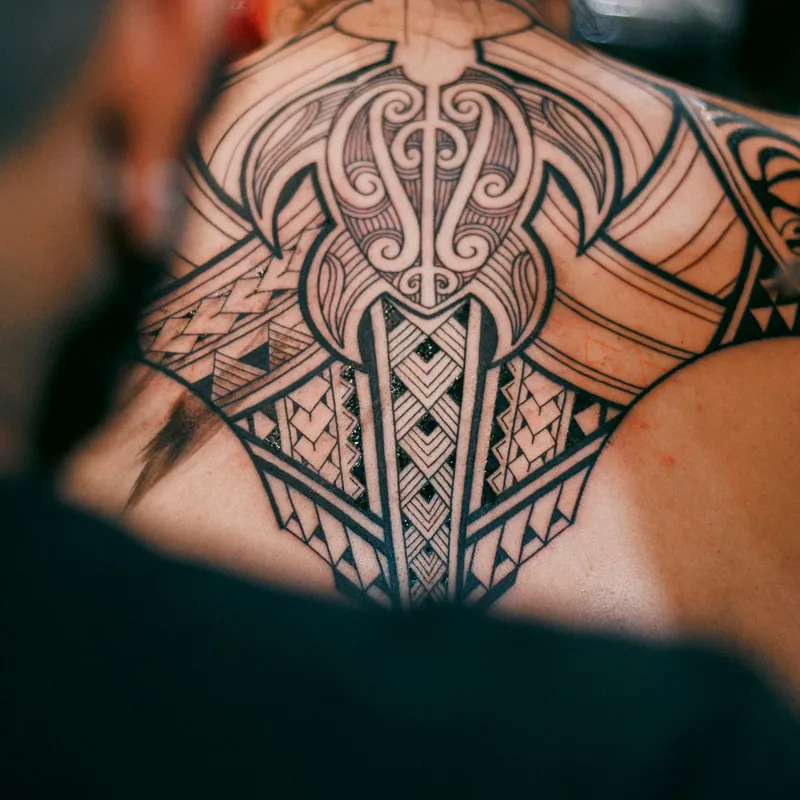
Tribal is one of the most used and least precise words in tattooing. It is used for the flowing black designs that were everywhere in the 1990s, for modern Polynesian-inspired sleeves and, sometimes, for the living tattoo traditions of Indigenous peoples. Those are very different things. This guide explains where the style comes from, what the difference is between a cultural tradition and a tribal-inspired design, and how to get a piece you can wear with respect.
Many traditions, not one style
Tattooing has been practised by many peoples around the world for thousands of years, often as part of identity, status, rites of passage and spiritual life. Some of the best known traditions with bold black patterns include:
- Samoan tatau, with its long-established designs for men and women
- Māori tā moko from Aotearoa New Zealand, carved and tattooed patterns closely tied to genealogy and identity
- Hawaiian kākau and the traditions of other Pacific islands, such as Tahiti and the Marquesas
- Traditions in Borneo, among Dayak peoples, with motifs such as the stylised flower known from many photographs
- Many other Indigenous practices in the Philippines, Taiwan, North America, the Arctic and elsewhere
The English word "tattoo" itself is usually traced to the Polynesian word "tatau", recorded by European sailors in the eighteenth century. Each of these traditions has its own visual language, its own meanings and its own rules about who may wear what. Calling all of them "tribal" flattens that history.
What modern tribal usually means
In most studios, "tribal" today refers to one of two things:
- Neo-tribal or 1990s tribal: flowing, sharp black shapes with points and curves, mostly decorative and not tied to a specific culture
- Polynesian-inspired work: designs that borrow patterns from Pacific traditions, such as bands, waves, spearheads and shark teeth, arranged into new compositions
Both are usually solid black and fit well with blackwork. Our blackwork tattoo guide explains what to expect from large areas of black, from healing to touch-ups.
Respecting the cultures behind the patterns
Wearing a design inspired by a culture is not the same as wearing that culture's sacred marks. A few principles help:
- Don't copy someone's personal design. In traditions such as tā moko, a design can record a person's ancestry and history; it belongs to them.
- Some marks are not for outsiders. Facial moko, for example, is widely regarded as appropriate only for Māori. Māori-style art made for people without Māori ancestry is often called kirituhi, and it is designed differently.
- Learn what the elements mean. In Polynesian-inspired work, motifs can carry meanings related to family, protection, the ocean or strength. A knowledgeable artist can explain them.
- Look for artists connected to the tradition. Many Pacific artists work in studios worldwide and design Polynesian pieces with an understanding of their roots.
Approaching the style with curiosity and respect is part of getting a good tattoo. The same is true for other cultural styles: our Japanese tattoo guide explains why understanding a tradition makes a large piece better.
What makes a good tribal design
- Flow: the design follows muscles and the shape of the body
- Solid, even black without patches
- Clear negative space: the skin between black shapes is part of the design
- Balanced detail: patterns that read from a distance and up close
- A clear structure, especially in Polynesian-inspired pieces built from bands and sections
Reworking an older tribal piece
Many people still wear a tribal tattoo from the 1990s or early 2000s. If yours no longer feels right, there are usually options. Solid black shapes can be extended into a larger blackwork or Polynesian-inspired design, softened with ornamental or dotwork elements, or used as the dark base for a new composition. Lightening with laser before reworking is sometimes advised. An artist who does both tribal and blackwork can look at the old piece and tell you what is realistic.
Placement and size
Tribal and Polynesian-inspired designs are often made for larger areas: shoulder and chest pieces, sleeves, leg pieces, calves and backs. Many are drawn freehand on the skin so the patterns follow the body. Small tribal designs can work as bands or accents, but complex patterns need room.
Healing and ageing
Large areas of black need careful aftercare and can take a little longer to settle than line work. Expect some patchiness while it heals; a touch-up afterwards is common. Solid black ages well and stays readable for a long time, especially with good sun protection. Combining black with stippled shading is also common; our dotwork tattoo guide explains that technique.
Choosing an artist
- Look for artists who specialise in Polynesian or tribal work, not only general blackwork
- Ask how they design: freehand on the skin, from a drawing, or a mix
- Ask about the meaning of the elements they suggest
- Check healed photos of large black areas
Our tattoo shop directory lists studios by country and city, with the styles they work in. For a specific tradition, it's worth travelling to an artist who knows it well.
Booking
- Tell the artist what draws you to the style and any personal story you want to include
- Share references, and be open to the artist's advice on what is and isn't appropriate
- Mention placement, size and any tattoos nearby
- Plan for one or more long sessions
A clear booking request with deposit gives the artist the information to plan a large piece.
For tribal and Polynesian artists
Clients want to understand your background and approach as much as your work. Explain how you design and what your pieces mean, and show healed large-scale work. With the OnlineTattoo.art tattoo website builder you have room for your story next to a portfolio sorted by style.
Photo: Vitor Diniz / Pexels